Home Brewing Techniques
Key Takeaways
- Understanding the essential home brewing techniques can enhance your brewing experience.
- Proper sanitation is crucial for preventing contamination in your brew.
- Fermentation plays a vital role in developing flavors and aromas in your beer.
- Different brewing methods can produce varied results in your finished product.
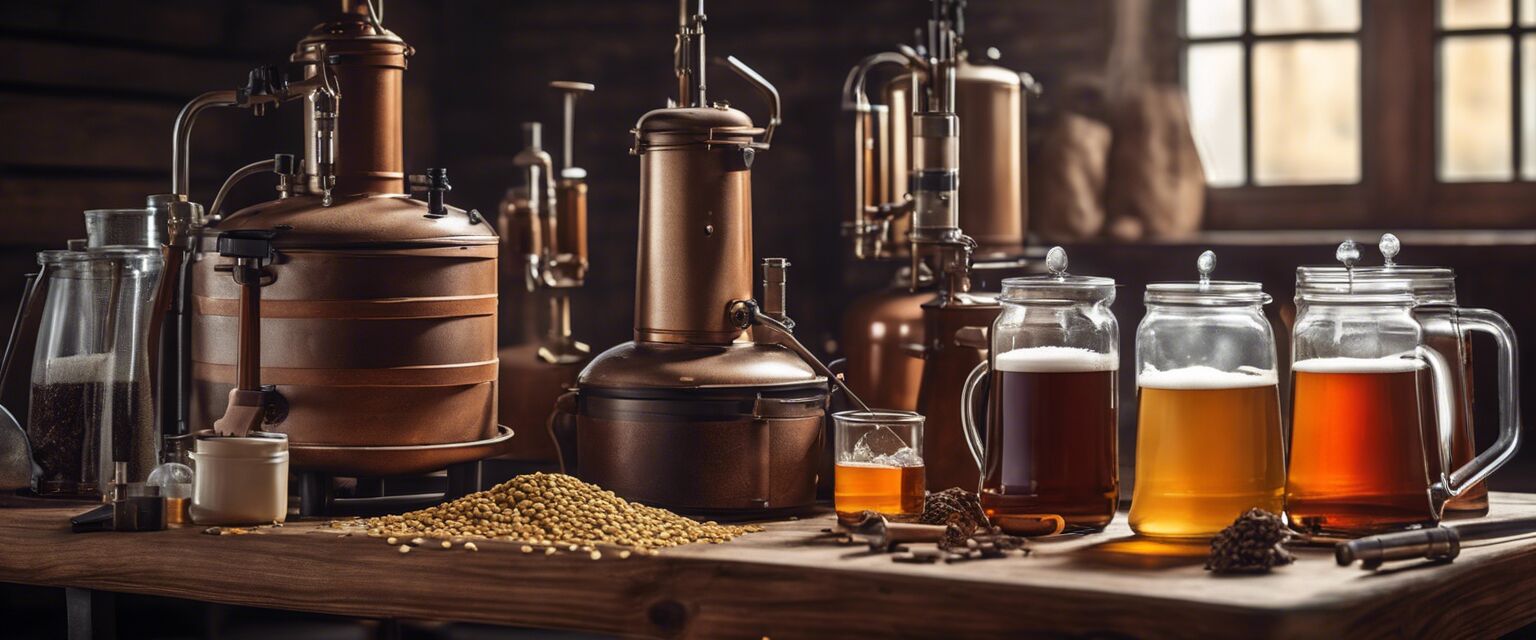
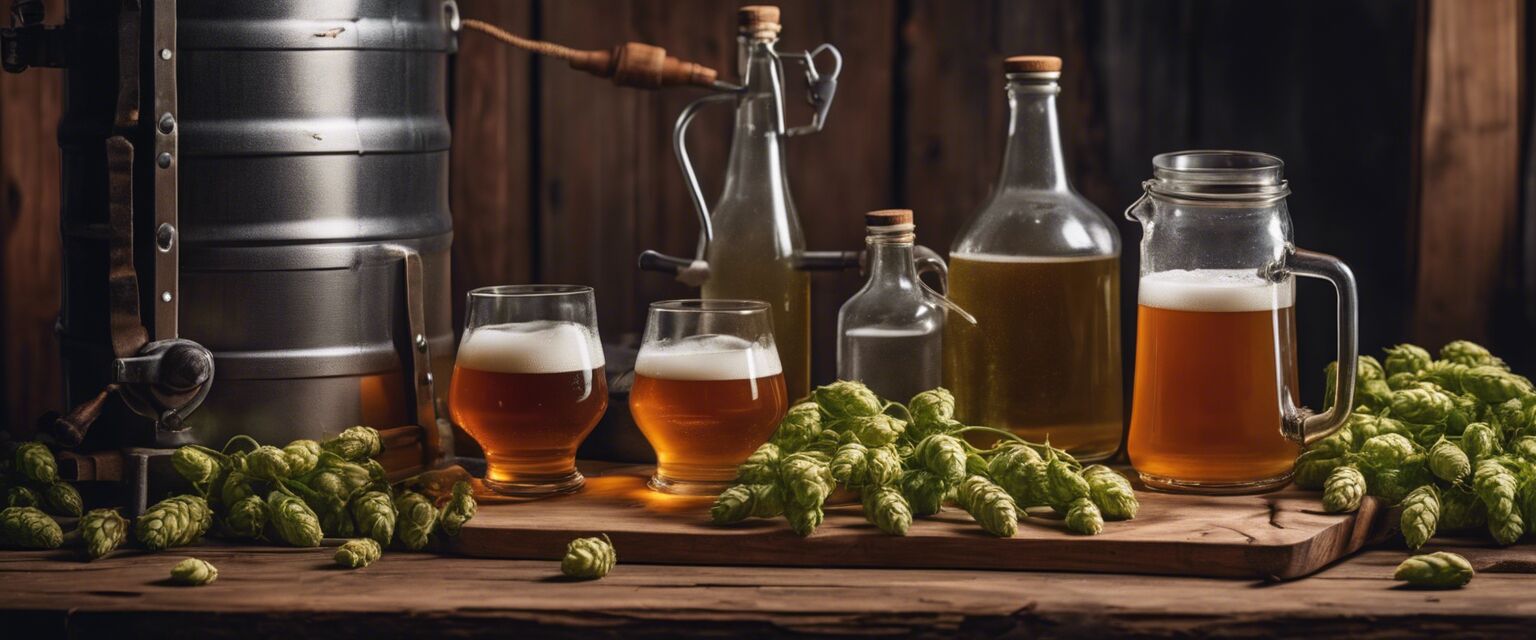
Home brewing has gained immense popularity among enthusiasts and hobbyists alike. Whether you're looking to brew for the first time or perfect your craft, understanding various brewing techniques is fundamental. This article will guide you through essential methods using home brewing kits, helping you to achieve exceptional results. Let's dive into the world of home brewing!
Essential Home Brewing Techniques
1. Basic Brewing Process
The basic brewing process consists of several steps that every brewer should master. Here's a simplified breakdown:
| Step | Description |
|---|---|
| 1. Sanitization | Clean all equipment to prevent contamination. |
| 2. Boiling | Boil malt extract and add hops to develop flavor. |
| 3. Cooling | Cool the wort rapidly to prevent bacteria growth. |
| 4. Fermentation | Add yeast and ferment for several days or weeks. |
| 5. Bottling | Transfer beer into bottles for carbonation. |
2. Understanding Fermentation
Fermentation is one of the most critical processes in brewing. During this stage, yeast consumes sugars and produces alcohol and carbon dioxide. Here's what you need to know:
- Temperature control: Keeping a stable temperature during fermentation is crucial for yeast health.
- Duration: Allow the beer to ferment for a recommended time to develop the ideal flavors.
- Hydrometer readings: Measure specific gravity to track sugar levels and fermentation progress.
3. Advanced Brewing Methods
Once youâve mastered the basics, you may want to explore advanced brewing methods such as:
- All-Grain Brewing: Involves mashing grains to extract sugars.
- Batch Sparging: A technique to wash the grains with water to extract more sugars.
- Biab (Brew in a Bag): A simpler method using a single mash bag for convenience.
Different Home Brewing Kits
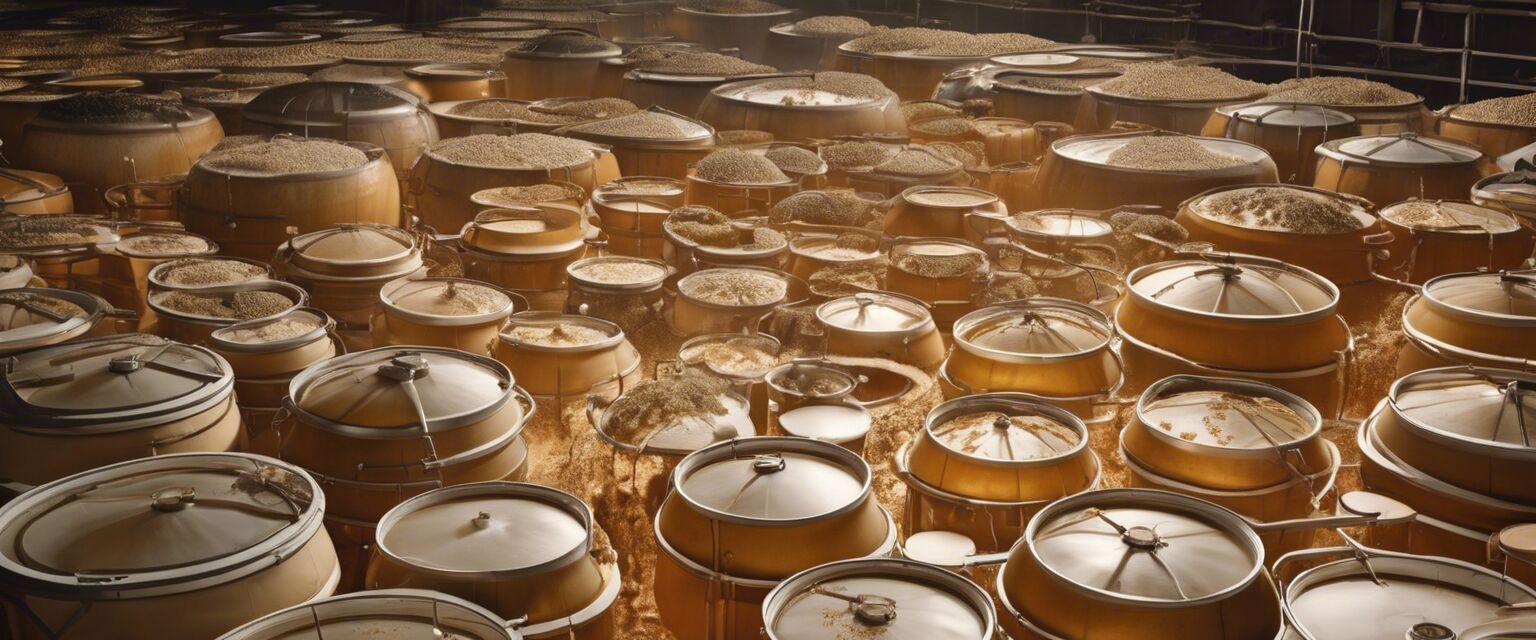
When starting out, choosing the right home brewing kit can greatly affect your experience. Here's a quick comparison of popular home brewing kits:
| Kit Type | Experience Level | Best For |
|---|---|---|
| Starter Kits | Beginner | First-time brewers |
| Small Batch Kits | Intermediate | Experimenting with different flavors |
| Advanced Brewing Systems | Advanced | Serious home brewers |
Common Mistakes to Avoid
Even the most seasoned brewers make mistakes. Here are some common pitfalls to watch out for:
- Skipping sanitization steps.
- Fermenting at incorrect temperatures.
- Not allowing sufficient time for conditioning.
- Using old or expired ingredients.
Tips for Beginners
- Invest in a good hydrometer to monitor fermentation.
- Document your brewing process for future reference.
- Join local home brewing clubs for community support and tips.
- Practice patience; good brews take time!
Ingredient Refill Packs
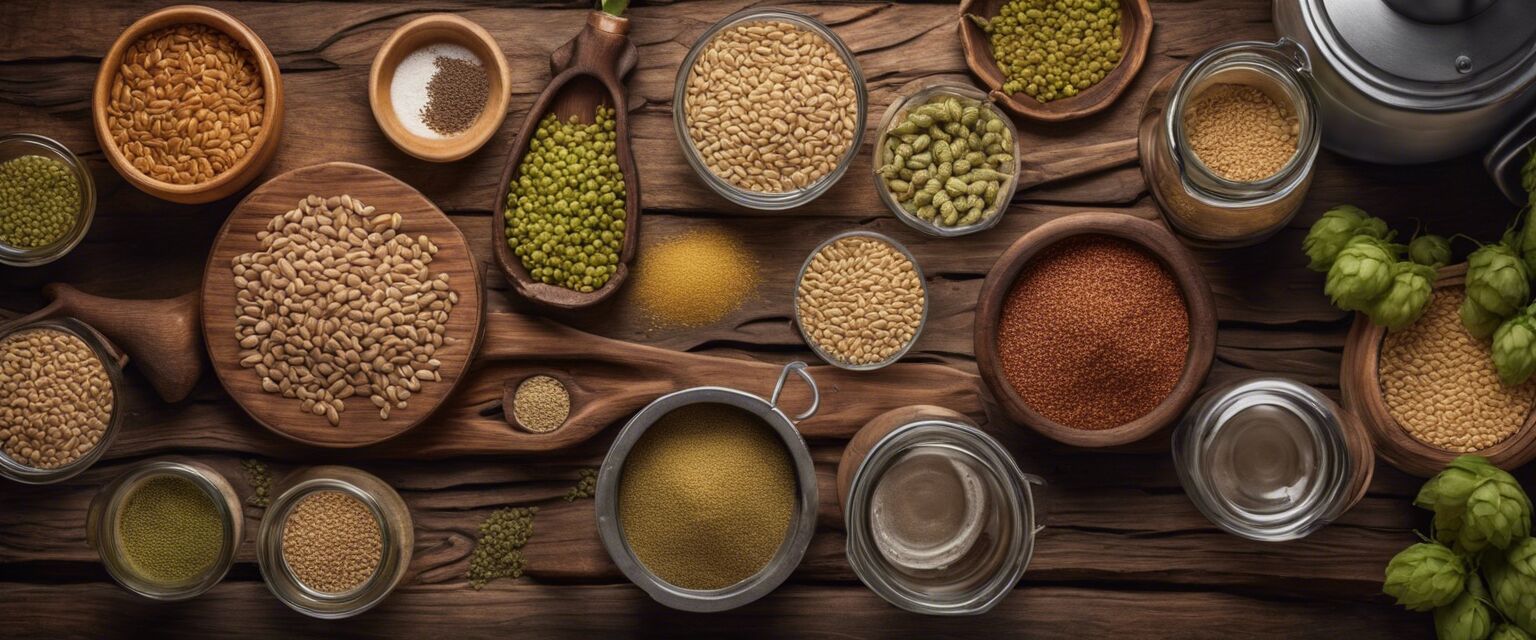
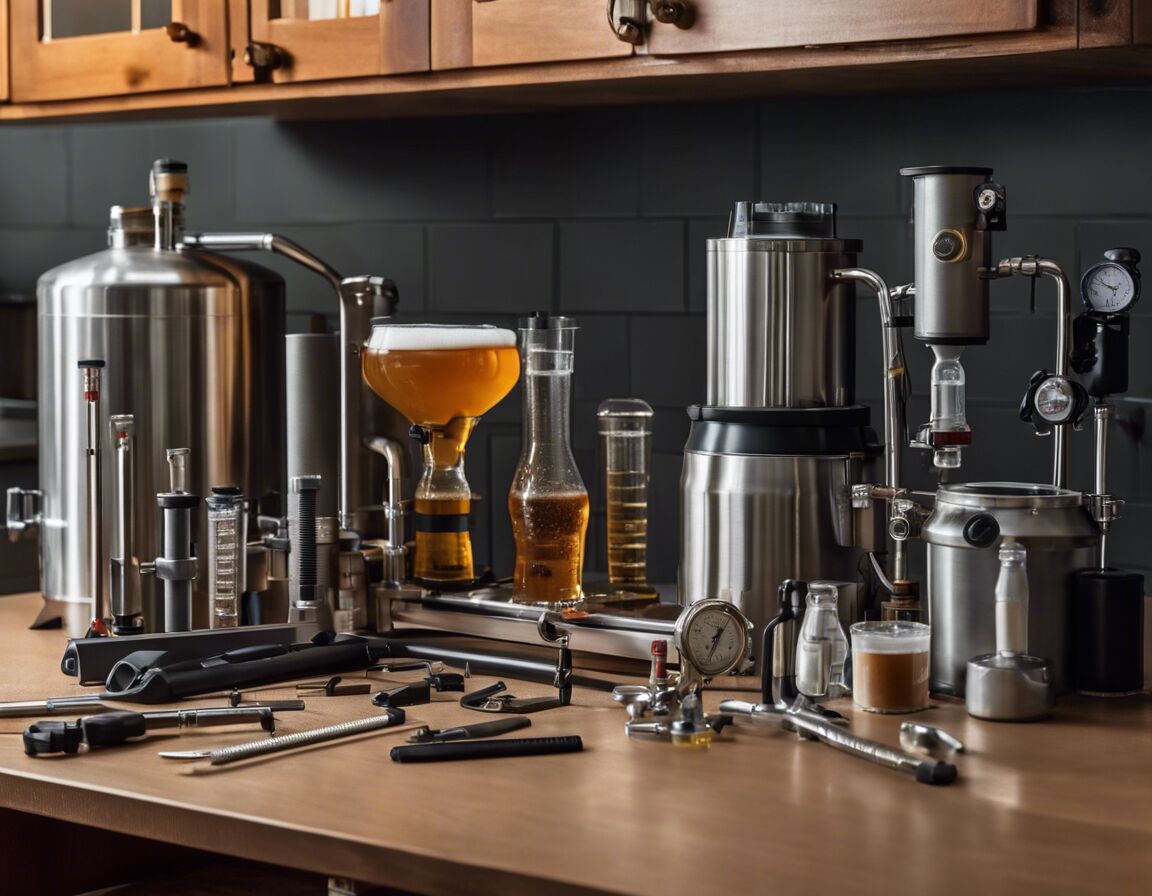
As you advance in your brewing journey, consider using ingredient refill packs. These packs can include different malt extracts, hops, and specialty grains. Check out our detailed guide on Ingredient Refill Packs to ensure you're always brewing with the best ingredients.
Storing Your Brew
Proper storage of your brew is essential for maintaining flavor and quality. Here are some simple guidelines:
- Store bottles in a dark, cool place away from sunlight.
- Use brown bottles to protect your beer from light exposure.
- Always keep bottles upright to prevent sediment disturbance.
Conclusion
Home brewing is an exciting and rewarding experience when done right. Whether you're starting with a beginner's kit or looking to advance your skills, understanding the techniques involved is crucial. Remember to maintain cleanliness, experiment with different methods, and most importantly, enjoy the brewing process!
Pros
- Customize your beer to personal tastes.
- Enjoy the satisfaction of creating your own brews.
- Learn a new skill that can turn into a fulfilling hobby.
- Opportunities to connect with others in the home brewing community.
Cons
- Initial investment in equipment can be high.
- Time-consuming process requiring patience.
- Potential for mistakes leading to bad brews.
- Requires space and proper storage conditions.