Home Brew Kit Comparisons
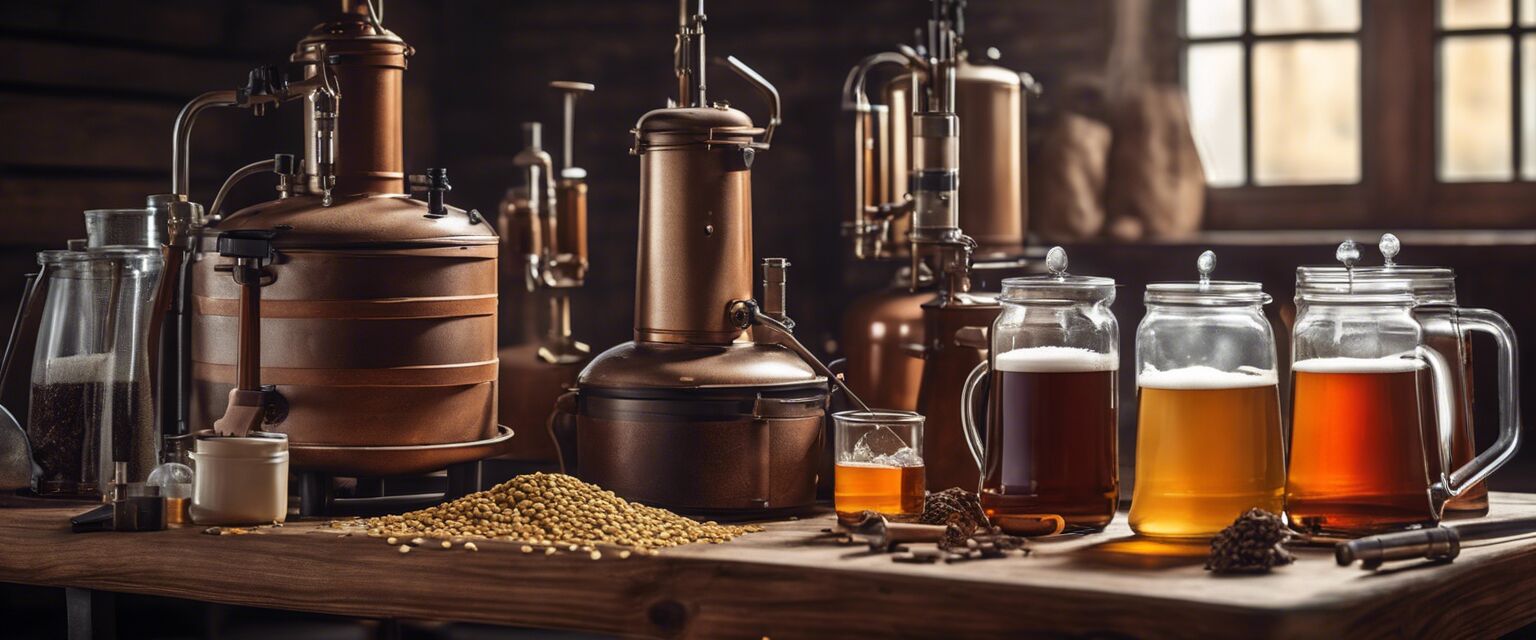
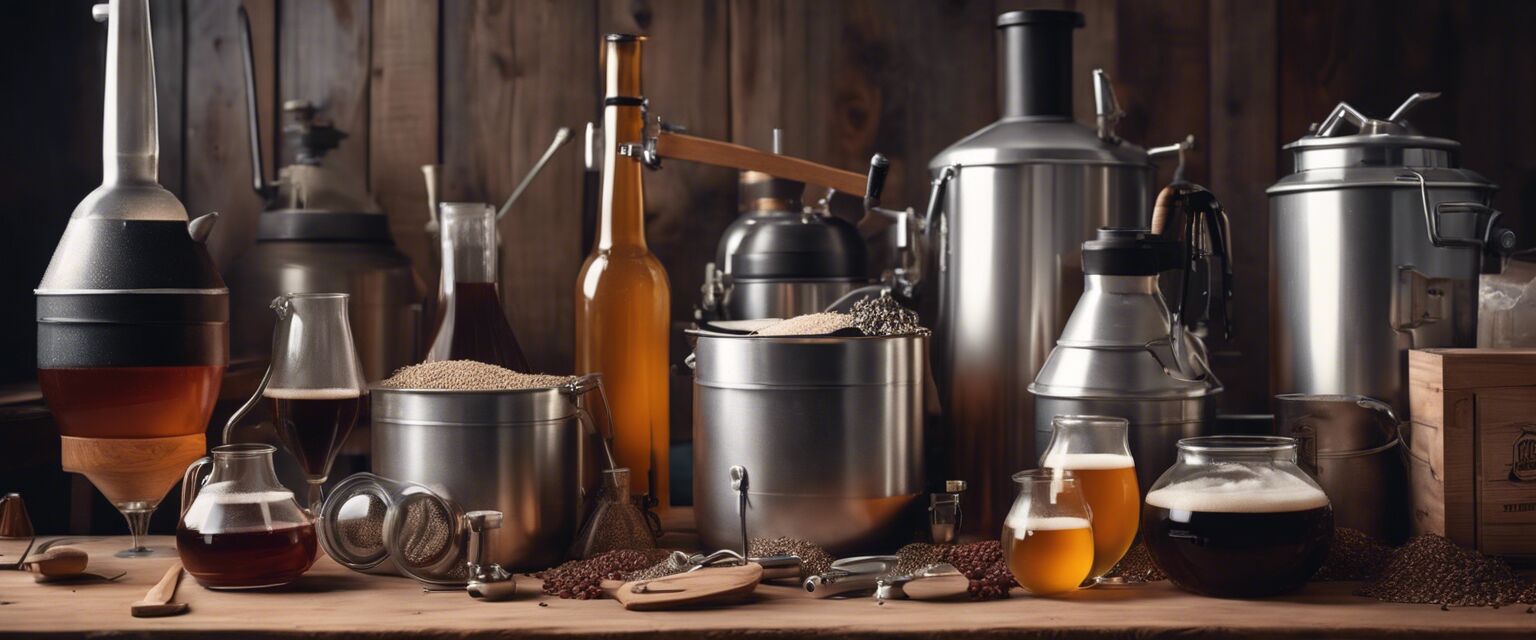
Are you new to home brewing or looking to upgrade your current setup? With so many options available, it can be overwhelming to choose the right kit for your needs. In this article, we'll provide side-by-side comparisons of various home brewing kits on the market, helping you make an informed decision.
Key Takeaways
- Understand the differences between starter, small batch, and advanced brewing kits
- Compare key features and components of popular home brewing kits
- Make an informed decision based on your brewing goals and budget
Types of Home Brewing Kits
Before we dive into the comparisons, it's essential to understand the different types of home brewing kits available. These kits cater to various skill levels and brewing goals:
| Kits | Description |
|---|---|
| Starter Kits | Ideal for beginners, these kits provide the basic equipment and ingredients to brew a single batch of beer. |
| Small Batch Kits | Suitable for those who want to brew smaller quantities, these kits offer more flexibility and customization options. |
| Advanced Brewing Kits | Designed for experienced brewers, these kits provide advanced features and components for precise control over the brewing process. |
Comparison of Popular Home Brewing Kits
| Kits | Equipment Included | Batch Size | Price |
|---|---|---|---|
| Mr. Beer Starter Kit | Brew Kettle, Fermenter, Bottles, Ingredients | 2 gallons | $50-$70 |
| Northern Brewer Small Batch Kit | Brew Kettle, Fermenter, Hydrometer, Ingredients | 1-5 gallons | $100-$150 |
| Blichmann Advanced Brewing Kit | Brew Kettle, Fermenter, Chiller, Pumps, Ingredients | 5-10 gallons | $300-$500 |
What to Consider When Choosing a Home Brewing Kit
When selecting a home brewing kit, consider the following factors:
- Budget: Determine how much you're willing to spend on a kit and ingredients.
- Brewing Goals: Consider the type of beer you want to brew and the frequency of brewing.
- Space: Ensure you have enough space for the equipment and ingredients.
- Skill Level: Choose a kit that matches your brewing experience and skills.
Additional Components and Accessories
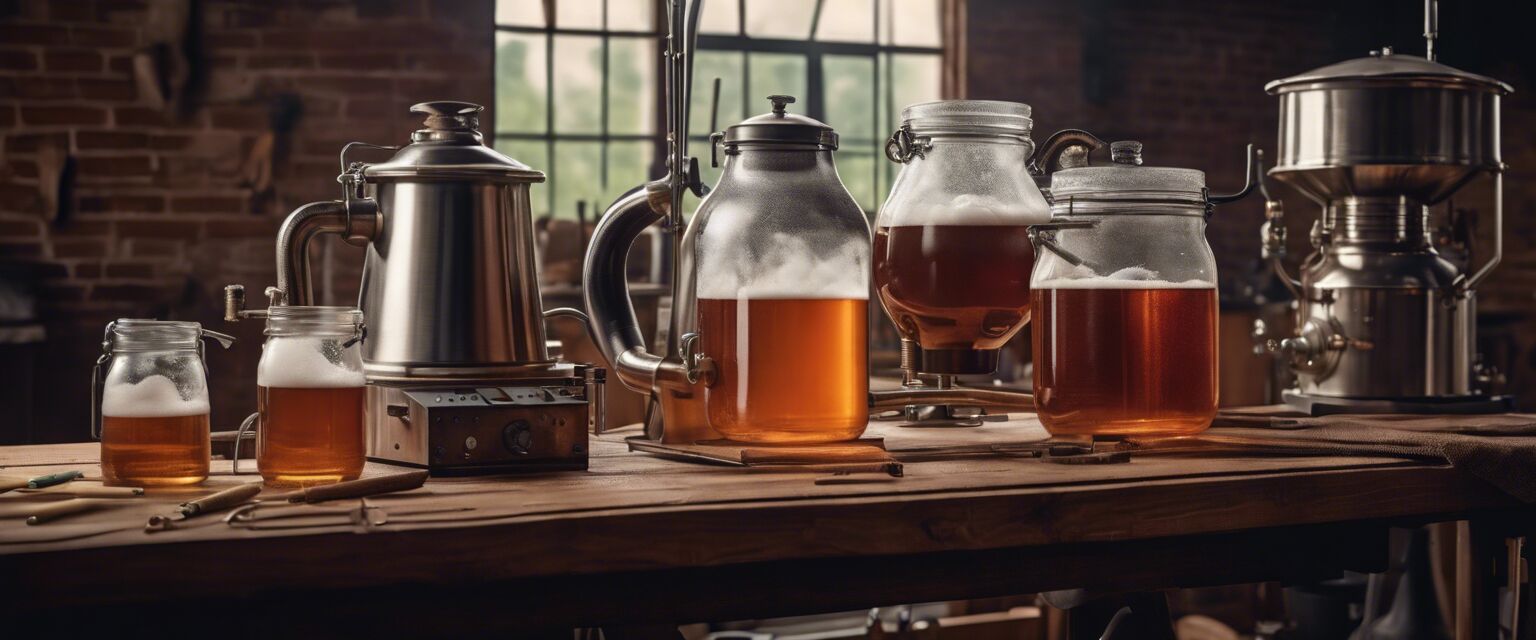
While home brewing kits provide the essential equipment, you may want to consider additional components and accessories to enhance your brewing experience:
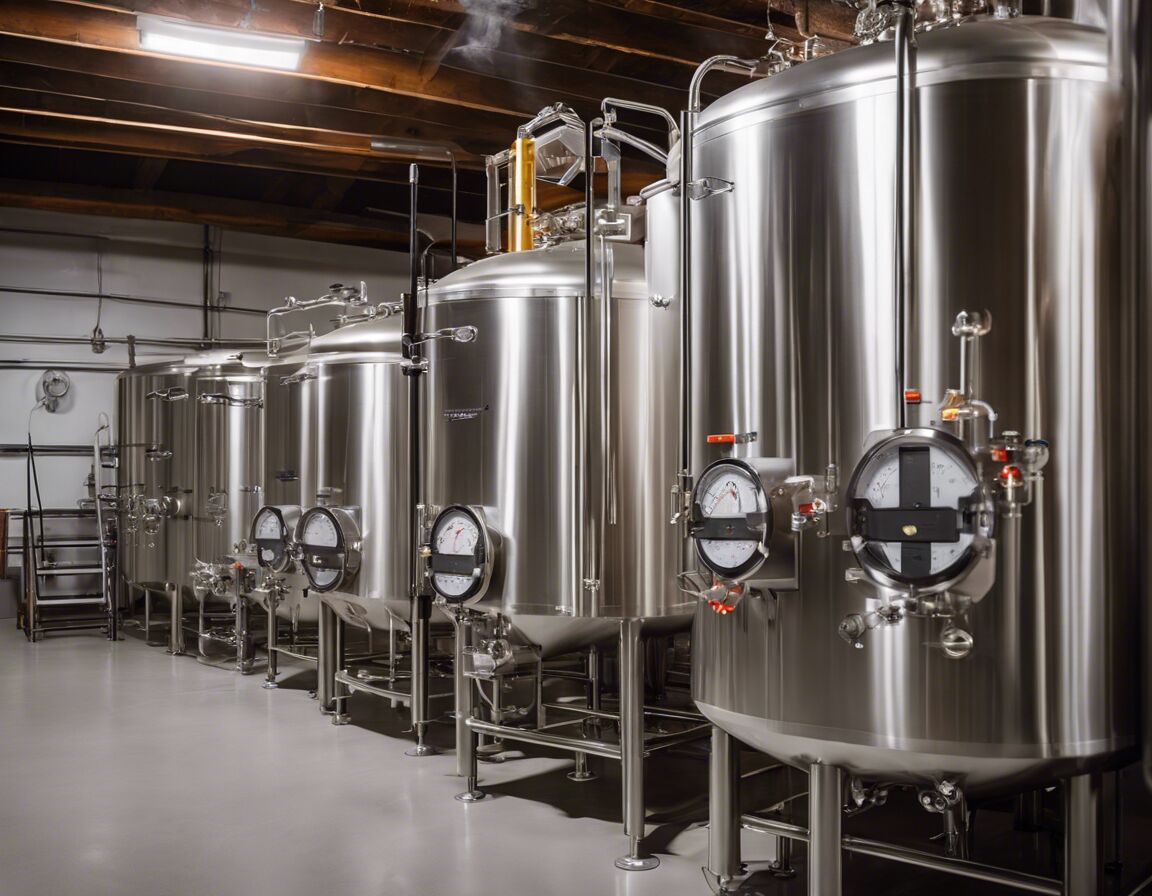
- Fermentation Equipment: Upgrade to a temperature-controlled fermenter or add a fermentation fridge.
- Ingredient Refill Packs: Purchase refill packs for your kit or experiment with new ingredients.
- Home Brewing Accessories: Add brewing accessories, such as a hydrometer, siphon, or racking cane.
Pros of Home Brewing Kits
- Cost-effective: Home brewing kits can save you money in the long run.
- Customization: Experiment with different ingredients and brewing techniques.
- Fun and rewarding: Home brewing can be a fun and rewarding hobby.
Cons of Home Brewing Kits
- Initial investment: Home brewing kits require an initial investment in equipment and ingredients.
- Space and storage: Home brewing equipment takes up space and requires storage.
- Time and effort: Home brewing requires time and effort to brew, ferment, and bottle.
Beginner's Tips
- Start with a starter kit and gradually upgrade as you gain experience.
- Follow recipes and instructions carefully to ensure a successful brew.
- Join online home brewing communities for support and guidance.
By considering your brewing goals, budget, and space, you can choose the perfect home brewing kit for your needs. Remember to also consider additional components and accessories to enhance your brewing experience. Happy brewing!